

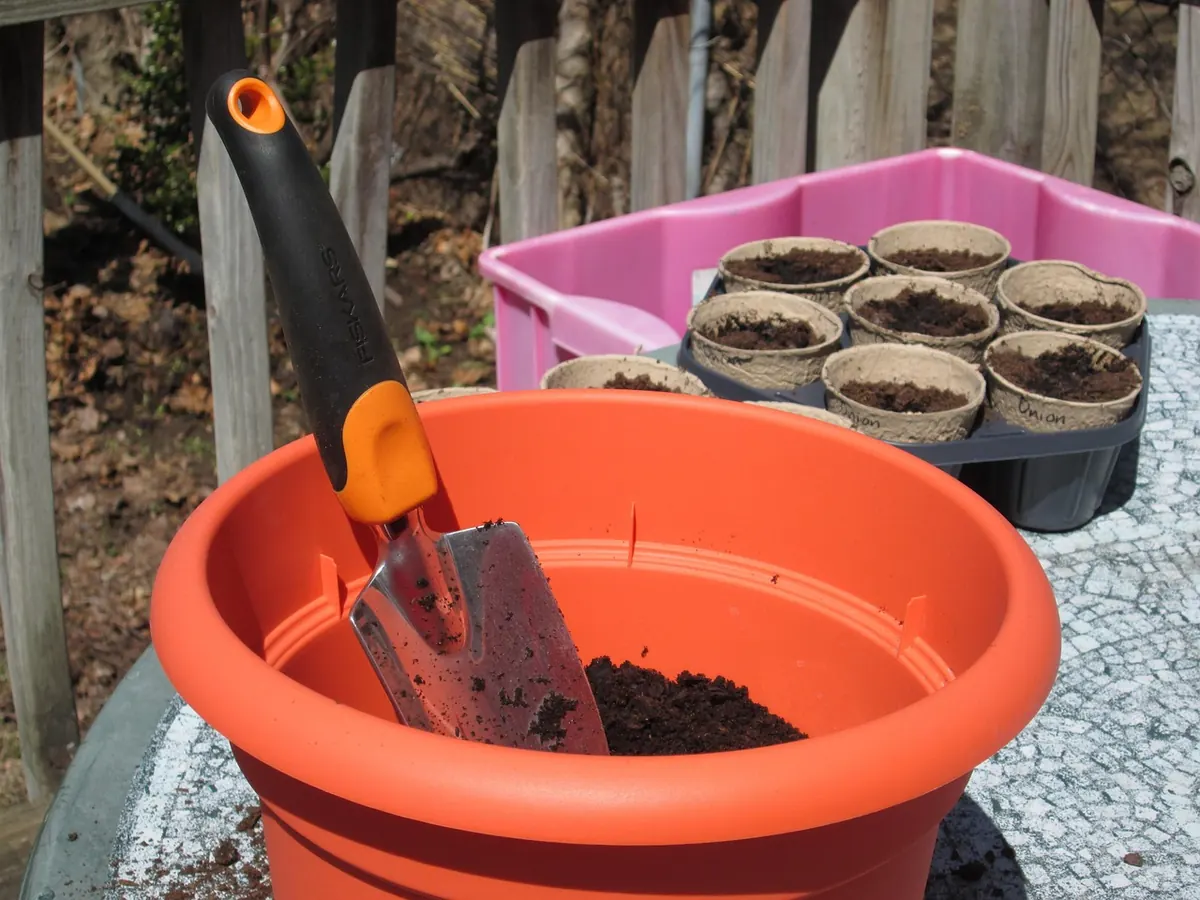
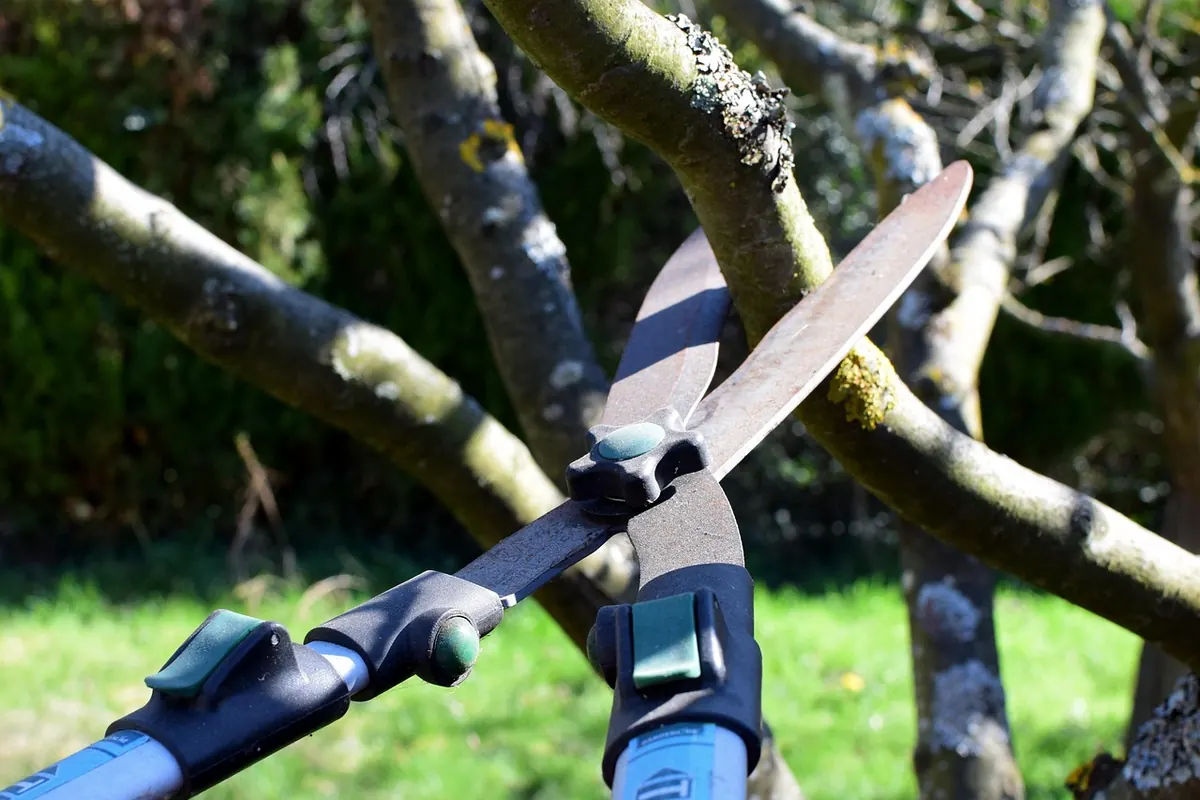


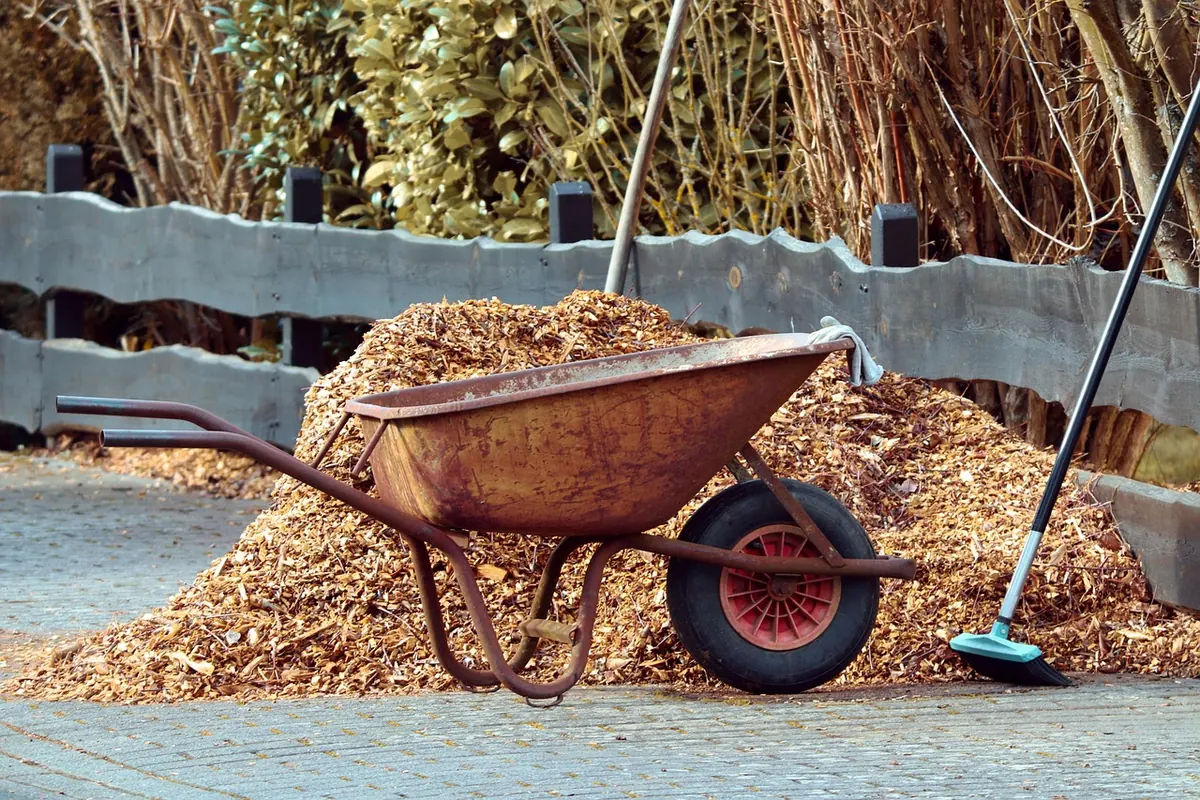
There is a moment in late winter when the ground finally gives. You fetch the fork you leaned against the shed in October, and winter has made its mark: rust creeping along the blade, a handle gone grey and splintery, secateurs that crush a stem instead of slicing it.
None of that means replacing anything. An afternoon with a wire brush, a file and a tin of oil will bring most tools back to something close to new, and a blade that cuts cleanly puts less strain on your hands, your plants and the tool itself. Do the work now, before the seed trays come out, and you will be glad of it in April.
Start with a clear-out and an honest look
Pull everything out of the shed and lay it on a bench or an old sheet on the grass. Work in daylight, because rust, hairline cracks and worn pivot bolts are far easier to spot outside. Sort as you go: tools that are sound, tools that need a part or a new handle, and the ones that have done their time. A trowel with a snapped tang is not coming back, and the hand fork that felt awkward five years ago still will.
Replacing a wooden handle is usually cheaper than replacing the whole tool, and most spades, forks and hoes take standard sizes, so check before you condemn anything.
Gather your kit first, so you are not hunting for a file with rusty hands:
- A stiff wire brush and an old hand brush
- Wet and dry paper in 120, 240 and 400 grit
- A 200mm flat file, plus a small round file for curved edges
- A sharpening stone or diamond plate
- Fine steel wool, 0000 grade
- A penetrating oil and a light machine oil
- Boiled linseed oil for wooden handles
- Rags and a bucket of warm soapy water
- Gloves and safety glasses
Cleaning off winter grime and rust
Wash first, then dry properly
Mud holds moisture against steel, so start with warm water and a squirt of washing-up liquid. Scrub heads and blades with the wire brush, working into the joins where soil packs tight. Keep wooden handles out of the bucket — a wipe with a damp rag is enough. Dry everything thoroughly with a rag and leave it in a warm shed or the sun for an hour. Oil applied to a wet tool simply traps water underneath.
Deal with rust in the right order
Start gentle. For a light bloom of surface rust, rub along the metal with fine steel wool and a few drops of penetrating oil; the oil lifts the rust and keeps it from flying about as dust. Heavier, flaking rust needs the wire brush, worked along the blade rather than across it.
For pitting, use wet and dry paper with oil, starting at 120 grit and finishing at 400. Soaking small parts in vinegar or citric acid works well, but do not leave them overnight: acid eats good steel as readily as rust and darkens the surface. Rinse, dry and oil straight afterwards.
Keep grinding wheels and angle grinders away from thin blades. The heat draws the temper out of the steel, and the edge will never hold as well again.
Sharpening: edges that cut rather than crush
Secateurs, loppers and shears
Bypass secateurs have a single bevel. File the bevelled side only, following the angle that is already there, and leave the flat side flat — a few strokes taken off the flat face will stop the blades meeting properly. Push the file from the base of the blade towards the tip and lift it on the return stroke. Five to ten passes is usually enough to bring back a clean edge. Test it on a sheet of newspaper, which should slice rather than tear.
Loppers take the same treatment, but check the centre bolt and the counter blade while you are there. A worn bolt lets the blades drift apart, and no amount of filing will give you a clean cut.
Spades, hoes and edging irons
These take a coarser approach. Clamp the tool or hold it firmly, and run a flat file along the bevelled edge at the angle it already has, working away from the cutting edge. A spade usually needs only a few passes to restore a thin, bright edge. A hoe wants to be sharp enough to slice through seedling weeds just below the surface. Do not sharpen the flat back of a spade; a burr there will drag in the soil.
Never sharpen towards your hand, and wear gloves throughout. It is the blunt tool that slips.
A word on mower blades
Rotary mower blades need balancing as well as sharpening, and an unbalanced blade can damage the machine. Have them done by a specialist, or fit a replacement blade.
Handles, pivots and the small parts
Wooden handles respond well to a little attention. Sand lightly with 120 then 240 grit to lift the grey fibres, wipe off the dust, and apply boiled linseed oil in thin coats, wiping off the excess. Two or three coats over a week does far more good than one heavy soaking. Let oiled rags dry flat outdoors before binning them, as bundled linseed rags can heat up.
On metal and fibreglass handles, check for cracks where the head meets the shaft. A loose head can often be re-seated with a new wedge; a cracked shaft is a replacement job.
For moving parts, a single drop of light oil on the pivot of secateurs, loppers or shears is plenty, worked in by opening and closing them a few times. More than that attracts grit. Clean the spring, check the locking catch, and tighten or replace any bolt that has worked loose. Finish by wiping the whole tool with an oily rag.
An afternoon's order of work
- Lay everything out and sort it into keep, mend and retire.
- Wash, scrub and dry thoroughly.
- Remove rust, using the gentlest method that works.
- Sharpen blades, following the existing bevel.
- Sand and oil wooden handles.
- Oil pivots, tighten bolts, replace worn parts.
- Wipe over with an oily rag and hang up, off the floor.
Keeping them that way
A minute of attention after each use saves an hour in February. Knock soil off before it dries, wipe blades with an oily rag, and put tools away dry and hanging rather than in a heap in a damp corner. A bucket of sand mixed with a little oil, with the heads of your spades and forks pushed into it, keeps edges clean and rust-free through the winter; it is an old trick and it still works.
Sharpen little and often, too. A few strokes with a diamond file on the secateurs every few weeks keeps the edge crisp and takes far less time than restoring a neglected blade.
And if you do catch yourself on a rusty edge, clean the wound properly and check with a pharmacist or GP about tetanus cover. It is a quick thing to sort out and far better done than hoped away.
Photo: manfredrichter / Pixabay