



Composting has a reputation as the easiest job in gardening. You pile up kitchen scraps and garden clippings, wait a while, and dig out dark, crumbly compost. In reality, plenty of heaps stall, turn slimy, or attract unwanted visitors. The good news is that most problems come down to a few common mistakes, and none of them are difficult to fix.
The greens and browns balance is off
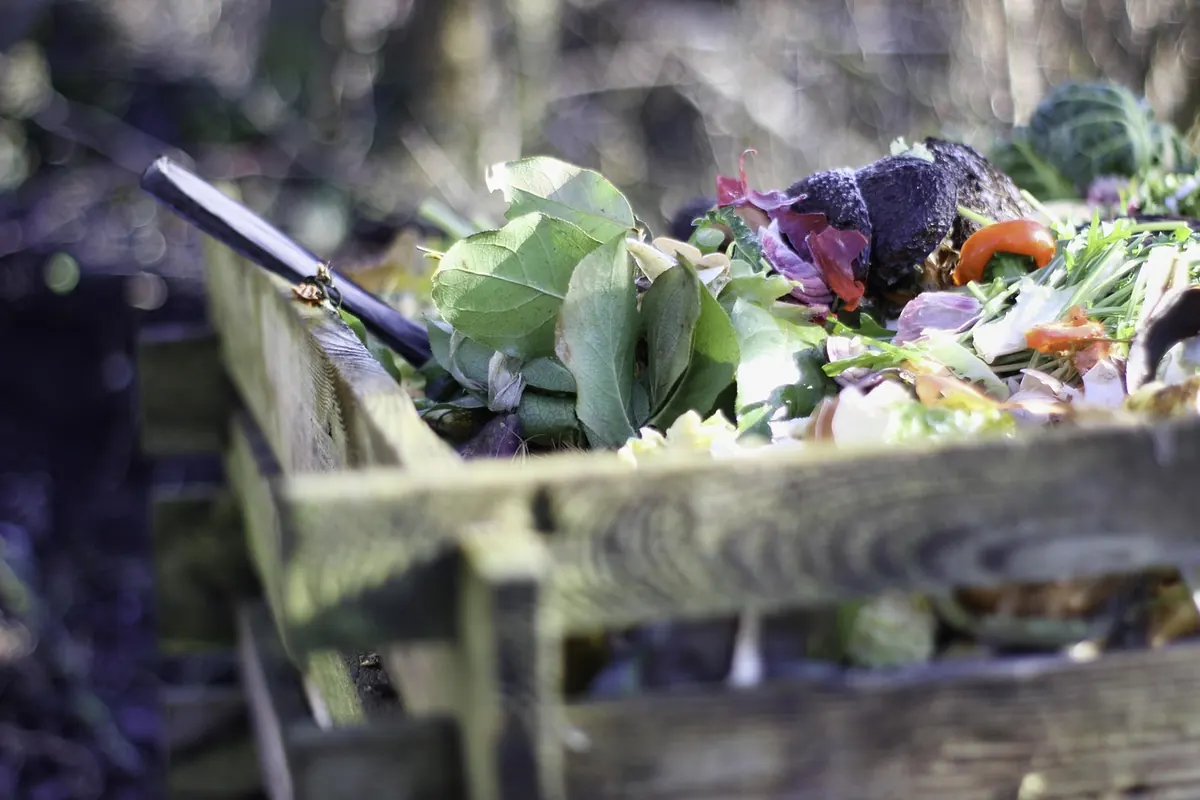
Every compost heap needs a mix of nitrogen-rich “greens” and carbon-rich “browns”. Greens are the wet, fresh materials: fruit and vegetable peelings, grass clippings, coffee grounds, tea leaves, and soft plant trimmings. Browns are the dry, woody ones: autumn leaves, shredded cardboard, newspaper, straw, wood chips, and prunings.
The usual advice is roughly two to three parts browns to one part greens by volume. A heap that is mostly greens collapses into a wet, matted, smelly mass. A heap that is mostly browns sits there for months, dry and inactive.
If your compost smells sour or looks slimy, add a generous handful of shredded cardboard or dry leaves and fork it through. If it is dry and nothing seems to be happening, mix in some fresh grass clippings or vegetable scraps and water it lightly.
A quick squeeze test
Pick up a handful of material from the middle of the heap and squeeze. If it drips, it is too wet. If it crumbles and feels dry, it is too dry. If it feels like a wrung-out sponge, the moisture is about right.
You are adding the wrong materials
Not everything belongs in a home compost bin. The wrong additions can slow the process, create smells, or attract pests. Keep these out of your heap:
- Cooked food, meat, fish, dairy, and bones – these attract rats, foxes, and flies.
- Diseased plants – fungal spores and viruses may survive and spread back into the garden.
- Perennial weeds with roots or seed heads – they can regrow in the compost and later in your borders.
- Dog and cat faeces – they can carry pathogens that are not killed in a cool home heap.
- Glossy magazines, receipts, and coated paper – the inks and coatings do not break down cleanly.
- Plastic, glass, metal, and “biodegradable” bags that are not certified compostable.
- Teabags – many contain a hidden plastic mesh. Check the box or switch to loose leaf.
Citrus peel, onion skins, and coffee grounds are fine in moderation. The problem is volume. A bucket of orange peel every day will unbalance a small heap, so mix it with plenty of browns.
Air is the ingredient you cannot see
Composting works best when it is aerobic, meaning the microbes need oxygen. Without air, anaerobic bacteria take over. They are slower, smell like rotten eggs or vinegar, and produce a slimy mess. The cure is simple: turn the heap.
A pile that is compacted, waterlogged, or sealed inside a plastic bin with no vents will suffocate. Aim to turn your heap every two to four weeks. As you turn, mix the outside material into the centre and break up any clumps.
Bulky browns help here. Scrunch up cardboard, add small twigs, or chop prunings into short lengths. These create air pockets. Do not trample the heap down to make it neat – a loose, open structure is what you want.
Moisture is either forgotten or overdone
A compost heap should be damp, not soaked. In the UK, rain often does the watering for you, which can be a problem in winter. An open heap can become waterlogged, especially if it sits on clay soil. Cover it with a tarpaulin, an old piece of carpet, or a lid, but leave some gaps for air.
In a dry summer, the opposite happens. The heap dries out, and decomposition grinds to a halt. If the squeeze test shows dry material, water it with a can and add fresh greens. If it is sodden, add shredded cardboard or dry leaves, turn it, and leave the lid off during a dry spell.
Particle size and patience
Compost breaks down faster when the pieces are small. Thick stems, whole cabbages, and large branches will sit in the heap for months. Chop or shred them first. Eggshells are fine, but crush them so they disappear more quickly. A rough chop with a spade or secateurs makes a real difference.
Patience matters too. A cool home heap typically takes six to twelve months to produce finished compost. A hot heap that is turned regularly can be faster, but it needs a critical mass – roughly a cubic metre – and careful management. Small bins will still work, just more slowly. Do not expect to add material today and harvest next month.
A common mistake is to keep adding fresh waste to the same bin and never let it finish. If you can, run two bins. Fill one, then leave it to mature while you fill the second. When the first is ready, empty it and start again.
Location and bin choice
Where you put your bin matters. The best spot is usually partial shade, on soil or grass, so worms and microbes can move in from below. If you have to stand it on concrete, put a layer of soil or old compost at the bottom. Avoid full sun, which dries the heap out, and low spots that flood in winter.
Dalek-style bins are popular and work well if you fork the contents regularly. Tumblers are convenient but easy to overload. Leave at least half the volume as air space so the material can tumble properly.
A simple routine that works
Composting does not need to be complicated. Keep these habits and you will avoid most problems:
- Keep a small caddy in the kitchen for fruit and vegetable scraps.
- Add roughly twice as much browns as greens each time you empty it.
- Store a bag of shredded cardboard or dry leaves next to the bin.
- Fork the heap every two to four weeks, mixing the outside into the middle.
- Check moisture when you turn and adjust with water or browns.
- If it smells, add browns and turn. If it is dry, add greens and water.
- Stop adding to a bin when full and start filling another.
- Harvest from the bottom when the compost is dark, crumbly, and smells earthy.
Your heap will tell you what it needs. A sour smell means too wet and too little air. A dry, dusty look means too little moisture. A slimy texture means too many greens. Pay attention to those signals and you will soon be making compost that your garden loves.
Photo: herb007 / Pixabay